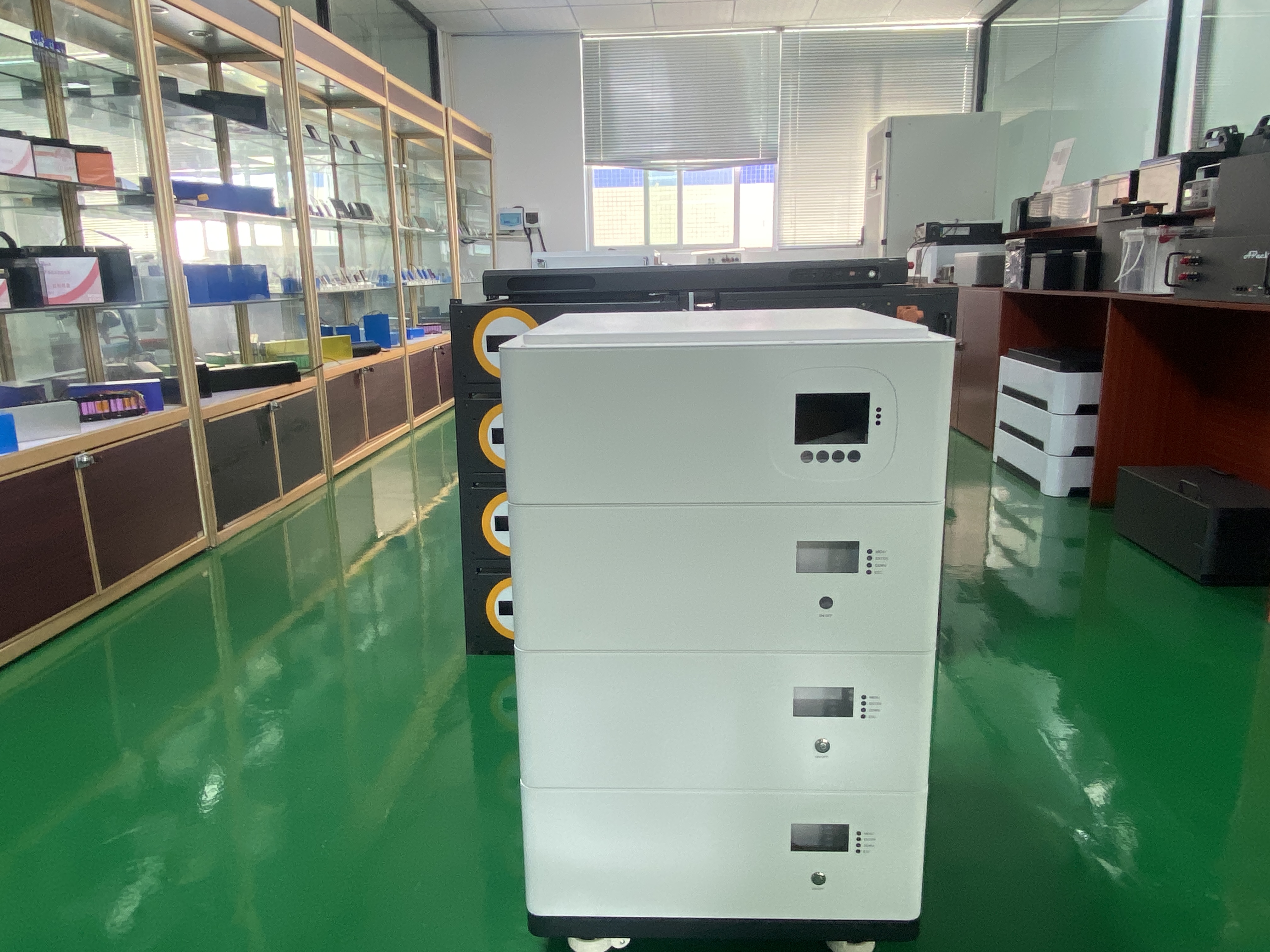
Wall-Mounted Lithium Battery — 51.2V ESS
| Nominal voltage | 51.2V |
| Formats | Wall-mounted and rack-style |
| Inverter communication | CAN bus / RS485 options, confirmed per project |
| Parallel expansion | Confirmed per model and project |
| Application | Home energy storage |
Overview
The wall-mounted lithium battery line is built on our 51.2V energy storage platform for home energy storage, in wall-mounted and rack-style formats. The platform is built in several capacity classes; tell us the energy you need to store and the inverter you will pair it with, and we will confirm the unit class and its full specification for your project. Parallel expansion depends on the unit configuration and is confirmed per project, together with inverter communication (CAN bus / RS485 options).
Specifications
| Item | Specification |
|---|---|
| Nominal voltage | 51.2V |
| Formats | Wall-mounted and rack-style |
| Inverter communication | CAN bus / RS485 options, confirmed per project |
| Parallel expansion | Confirmed per model and project |
| Application | Home energy storage |
Build and options
Leads, connectors and labelling are confirmed against your equipment drawing before samples are made, and the pack is built to the specification above once it is confirmed. For shipping and compliance files, UN38.3, IEC 62133 and MSDS documents can be confirmed and provided for specific models — tell us the model you are buying and we will confirm which documents cover it.
Frequently Asked Questions
What capacity is the 51.2V wall-mounted unit?
The 51.2V platform is built in several capacity classes in wall-mounted and rack-style formats. Tell us the energy you need to store and your inverter model, and we will confirm the capacity class and the full specification for your project.
Can wall-mounted units be paralleled?
Parallel expansion depends on the unit configuration and is confirmed per project, together with the inverter communication options.
Tell us about your battery project
Send your device requirements — voltage, capacity, current, space and quantity — and our engineering team will evaluate cell selection, configuration and battery management against them.