Custom Lithium Ion Battery Packs
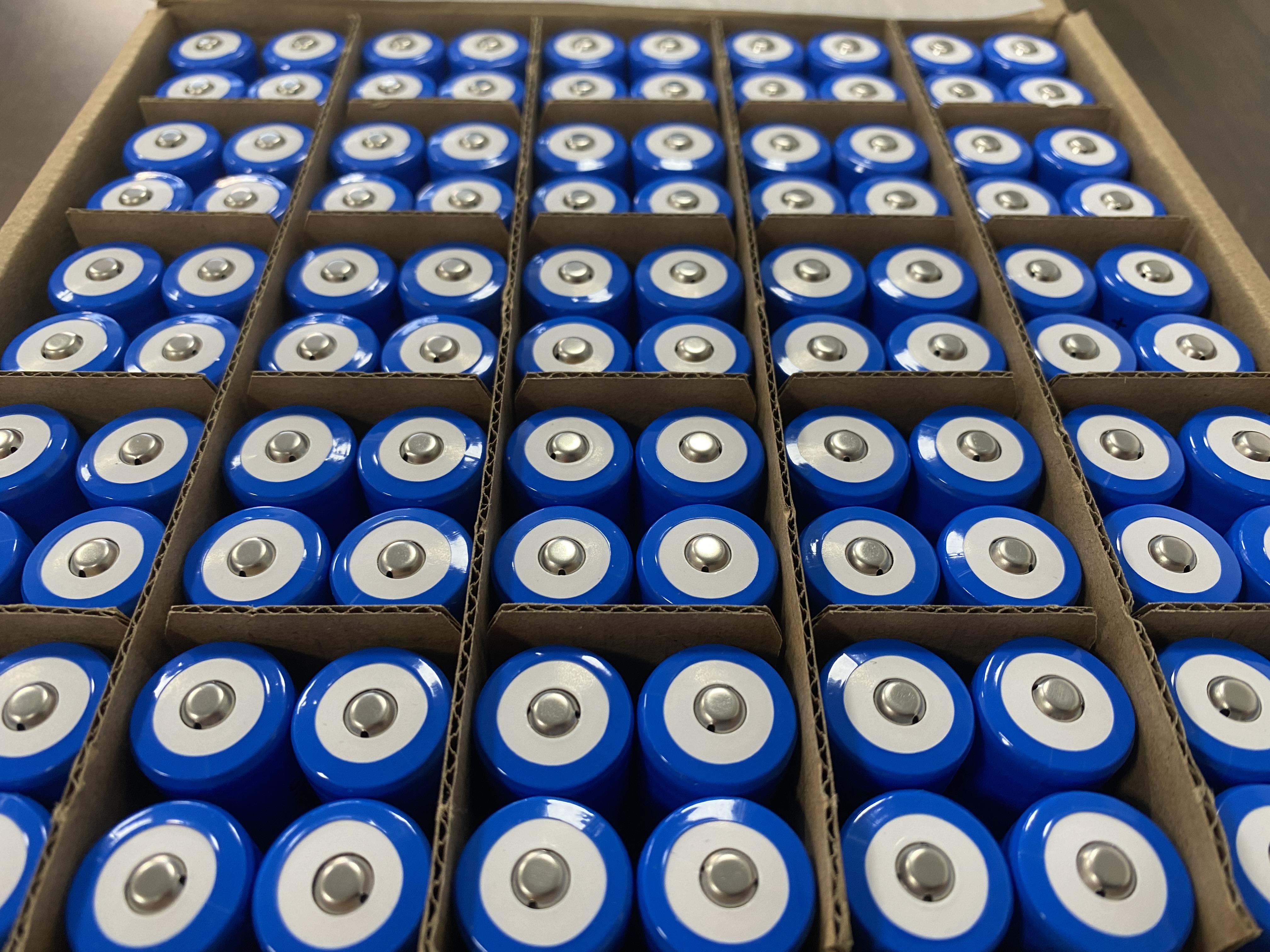
Where custom lithium-ion packs are used
Custom lithium-ion battery packs are built around the device they power. The pack has to fit the available space, deliver the voltage and capacity the product needs, and survive the conditions it will meet in service. That is why a custom lithium ion battery pack starts from your application requirements rather than from a standard catalogue item.
Our custom packs serve industrial, medical, robotics and light-EV equipment. These four fields place different demands on a pack. Industrial devices often need a stable voltage rail over long shifts. Medical equipment puts priority on predictable behaviour and documentation. Robotics loads change quickly and repeatedly. Light-EV equipment combines energy capacity with weight and space limits. The same cell chemistry and configuration can be adapted across all of them once the requirements are clear.
If your device already uses a cylindrical cell format, the pack can be developed around that choice. Our 18650 battery packs and 21700 battery packs pages describe each format in more detail, and engineering pack design support is available from the first specification discussion.
Cells and configurations: 18650 / 21700, from 1S1P to 48V-class
Custom made lithium ion battery packs are assembled from 18650 and 21700 cylindrical cells in series and parallel configurations. Series count sets the pack voltage, parallel count sets capacity, and both are checked against the current profile and the physical space before the specification is written. Configurations run from 1S1P button-top packs through 2S, 3S, 7S, 10S (36V class) and 13S/14S (48V class) designs. The range covers single-cell 3.6V packs up to 48V-class packs.
Cell sourcing is part of the configuration decision. Cell choice covers established makers: Panasonic, Samsung, LG, Molicel, Murata, EVE and BAK for lithium-ion, and EVE and Great Power for LiFePO4. Cell selection is evaluated together with the configuration, protection and management circuitry, structure and communication options, and then confirmed in the project specification.
One example is the button-top 18650 pack built as a single-cell design. Small single-cell packs like this suit devices with modest energy needs, while multi-series packs serve equipment that runs at higher voltage classes.
Smart BMS and communication options
A smart battery management system turns a cell assembly into a managed pack. The options evaluated for our packs cover charge and discharge management, SOC/SOH monitoring, and communication interfaces including Bluetooth, WiFi, CAN bus and RS485. Which of these your pack carries depends on what the device and its host system need to know, and on how the pack will be serviced over its life.
Charge and discharge management protects the cells against operating outside their safe range. SOC/SOH monitoring reports the pack's state of charge and state of health to the host device, which matters for equipment that must warn the user before energy runs out or for fleets where packs are tracked over time. Communication options connect the pack to the device controller or to a maintenance tool: CAN bus and RS485 for wired system integration, Bluetooth and WiFi where wireless access to pack data is required.
These options are evaluated per project and confirmed in the specification. Not every model carries every option, so the BMS feature set is agreed together with the cell configuration, structure and target-market requirements. Bring your device's communication requirements to the first discussion and they become part of the pack definition.
From pilot run to mass production
Sample and pilot stages are part of the project flow before mass production; quantities and schedules are confirmed per project. The flow follows five steps.
First, you submit the device, application, available space, voltage, capacity, current, environment and target-market requirements. Second, cell selection, series/parallel configuration, protection and management circuitry, structure and communication options are evaluated. Third, samples are developed after the specification and drawings are confirmed. Fourth, samples are verified against the agreed test items, and the documentation needed for the target market is checked. Fifth, production, packaging, quantities, delivery and acceptance conditions are confirmed.
Documentation is handled at the verification stage. UN38.3, IEC 62133 and MSDS documents can be confirmed and provided for specific models — tell us the model you are buying and we will confirm which documents cover it. This keeps the paperwork aligned with the exact pack you will order. To start a project, discuss your pack spec with the requirements above and the evaluation can begin.
Frequently Asked Questions
Which 18650 or 21700 cells can we choose from?
Cells can be selected from established cell makers. The final cell choice is evaluated against your voltage, capacity, current and space requirements and confirmed in the specification.
Can the pack include a smart BMS with communication?
Yes. Smart BMS options include charge/discharge management, SOC/SOH monitoring, and communication options including Bluetooth, WiFi, CAN bus and RS485. These are evaluated per project and confirmed in the specification, so the feature set matches your device's host system and service needs. Options are confirmed in the project specification; not every model carries every option.
Do you support small pilot runs before mass production?
Yes. Sample and pilot stages are part of the project flow before mass production. Samples are developed after the specification and drawings are confirmed, then verified against the agreed test items with the documentation for your target market checked. Pilot quantities and schedules are confirmed per project, so the run size is agreed together with the specification.
Tell us about your battery project
Send your device requirements — voltage, capacity, current, space and quantity — and our engineering team will evaluate cell selection, configuration and battery management against them.