LiFePO4 Batteries
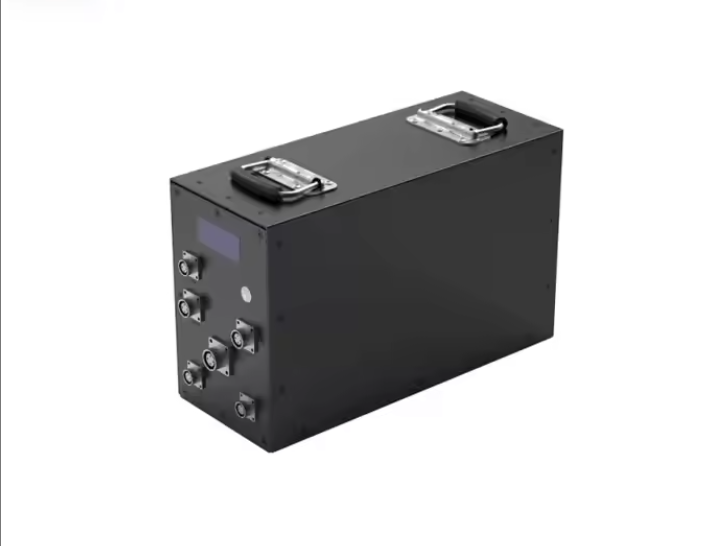
The 12V and 24V LiFePO4 range
Our LiFePO4 range covers a 12V series and a 24V series in PVC and steel cases. Alongside these equipment classes, 51.2V storage units are covered on the energy storage battery page.
Each entry in the range is a defined model with a datasheet, which is what matters when you are specifying a lifepo4 battery pack into a product or a standby system. You can request the sheet for the exact model you intend to buy and check the parameters against your load profile before design work starts. Where a required capacity or case format is not in the range, custom LiFePO4 packs can be built around your enclosure and current profile.
The 12V line is the one most often pulled into existing equipment bays, because the voltage class matches what the hardware was designed around. You can review the full line of 12V LiFePO4 batteries by capacity and case type, and a common starting point for retrofit work is the 12V 100Ah LiFePO4 battery in its PVC case. The 24V line suits equipment that already runs at that class or where cable size and current draw favour a higher pack voltage at the same capacity.
Where LiFePO4 fits: storage, backup, motive and marine-style use
LiFePO4 chemistry is chosen for thermal stability and long service life, and those two properties set where it belongs. In storage and backup duty the pack sits idle for long periods and then has to deliver on demand; thermal stability matters because the pack is often enclosed, and service life matters because replacement access is poor. This is the core fit for the 12V and 24V models above.
In light-motive and marine-style use, the same properties apply under different conditions: repeated partial discharge, vibration, and mounting positions that restrict airflow around the pack. LiFePO4 tolerates this duty pattern better than chemistries that are less thermally stable, which is why the range is positioned for these applications rather than for high-rate traction work. The chemistry itself, and its advantages for industrial duty and cycle life, is covered on the lithium iron phosphate battery page.
A frequent use case is lead-acid replacement, where equipment was built around a lead-acid footprint and the owner wants the thermal and service-life profile of LiFePO4. The physical swap is only half the job: charge voltage, float behaviour and low-temperature charging must be checked against the pack, because a lead-acid charger does not automatically suit a LiFePO4 battery pack. Bring the charger specification into the project review and the pack configuration, BMS and charging profile are set together rather than corrected later.
Cases and BMS options
Case format follows the model. Case choice is driven by mounting, mechanical protection and how the pack is retained in the equipment. PVC suits lighter enclosures where the housing carries the load; steel adds rigidity where the pack is exposed or vibration is present. The case options for each model are listed on its product page, and for projects outside these formats, case design is part of the custom scope.
BMS options are evaluated per project and confirmed in the specification. That includes low-temperature charge protection, which blocks charging below the safe threshold so the pack is not damaged by charging in cold conditions — relevant for outdoor backup cabinets, marine-style installations and equipment that charges unattended. Current limits, communication needs and protection thresholds are matched to your charger and load, then written into the project specification. Options are confirmed in that document; not every model carries every option, so state your requirements early.
Documentation is handled per model. UN38.3, IEC 62133 and MSDS documents can be confirmed and provided for specific models — tell us the model you are buying and we will confirm which documents cover it. The company holds ISO 9001 and ISO 14001 certification, and is recognised as a National High-Tech Enterprise with multiple utility model patents.
Frequently Asked Questions
Do you supply LiFePO4 batteries in 12V and 24V series?
Yes. We supply a 12V series and a 24V series in PVC and steel cases; the models and their specifications are listed on the 12V LiFePO4 and 24V lithium pages. 51.2V storage units are covered separately on the energy storage pages. Capacities outside the listed range can be quoted as custom builds.
Can LiFePO4 packs include a BMS with low-temperature protection?
Yes. BMS options, including low-temperature charge protection, are evaluated per project and confirmed in the specification. Low-temperature protection stops charging below the safe threshold, which protects the pack in cold outdoor or unattended installations. Current limits and protection thresholds are matched to your charger and load during the project review, then recorded in the specification document.
To discuss capacities, case formats or BMS requirements for your application, ask about LiFePO4 supply and include your target voltage class, capacity and charger details.
Tell us about your battery project
Send your device requirements — voltage, capacity, current, space and quantity — and our engineering team will evaluate cell selection, configuration and battery management against them.