AGV Batteries (Automated Guided Vehicles)
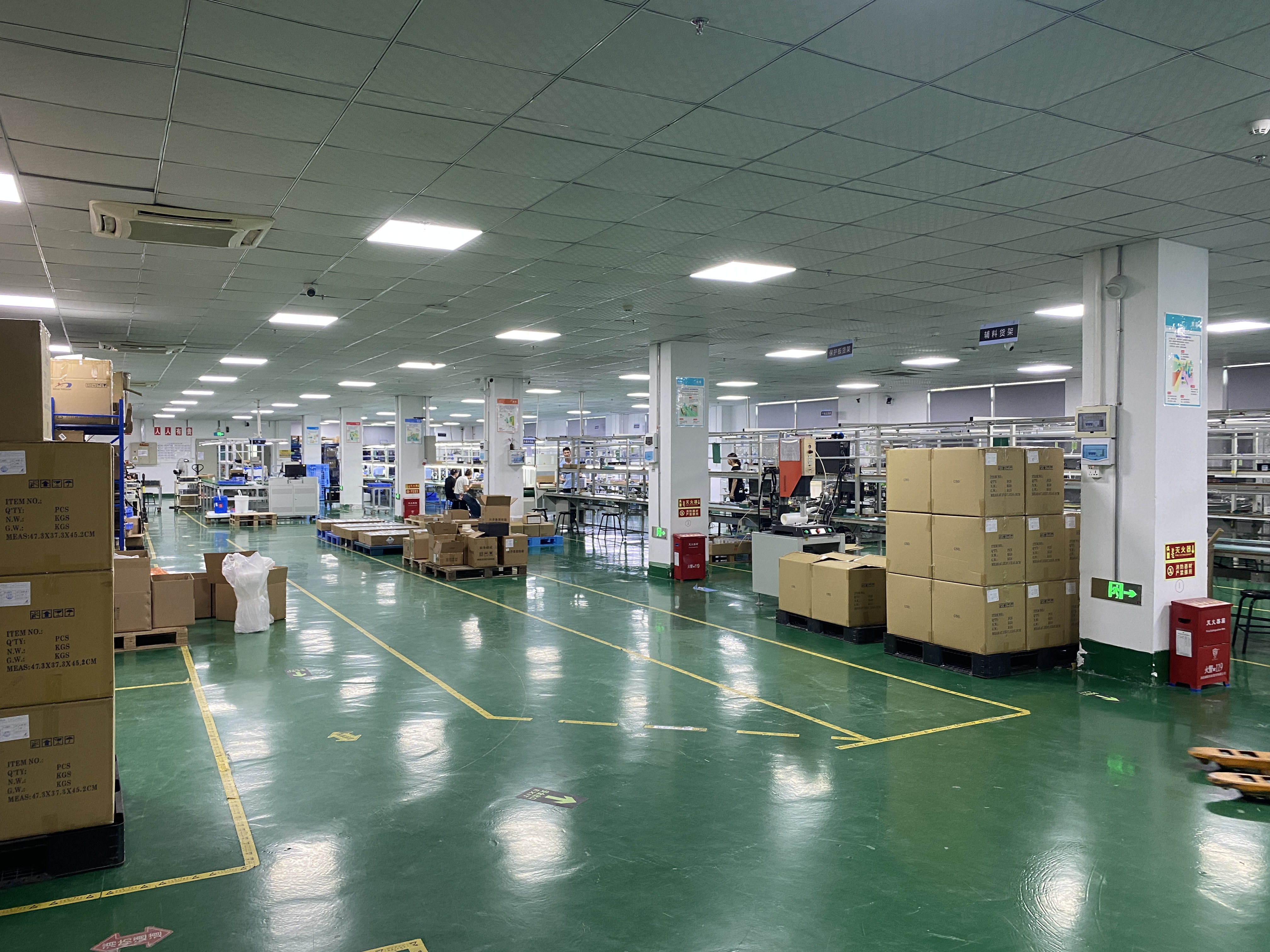
AGV power duty: shifts, opportunity charging, peak draws
An AGV battery is sized around the work the vehicle actually does, not around a nominal capacity target. Before a pack specification is written, we need the shift pattern, the idle windows where charging can happen, and the peak current the vehicle draws during acceleration and lifting. These three inputs set the usable energy window, the continuous and peak current ratings of the pack, and the cell configuration behind them.
Peak draw is usually the constraint that decides the cell type and the BMS current rating, because an AGV can pull far more current during a lift or a hard start than during steady travel. The pack must hold that peak without tripping protection, then return to a normal duty profile. Series count sets the pack voltage and parallel count sets capacity, and both are checked against the drive system's current profile and the physical bay in the vehicle before the specification is fixed.
Opportunity charging changes the calculation. A vehicle that charges in short windows between tasks needs a pack that accepts charge at a useful rate without overheating, and the charge current has to be confirmed against the charger and the connector. Vehicles that run a full shift and charge during a longer idle window can be specified differently. Our engineers work through this duty profile with you before any cell is selected — the same approach we apply to robot batteries on mobile platforms with comparable load patterns.
Charging options and connectors
AGV battery charging is designed around the vehicle's regime, not a single default. Two common patterns are full charging during idle windows and opportunity charging in short bursts through the working day. Which one fits your fleet depends on how many vehicles you run, how long they are idle, and whether the charger is onboard or on the floor.
Charge current is confirmed per project, together with the connector. The connector choice has to match the charger on site and the space available at the charging point, so we treat it as part of the pack specification rather than an accessory. Where a vehicle returns to a fixed station, the mechanical alignment of the charging contacts matters as much as the electrical rating.
The pack's BMS is configured to work with the charger's profile, so the charge curve, cutoff and any temperature limits are agreed between the two. If your fleet mixes AGVs with other electric equipment, the charging infrastructure may already constrain voltage and current — tell us those limits at the start and the pack is designed to sit inside them.
Fleet communication: CAN and RS485 reporting
CAN bus and RS485 options let an AGV battery pack report charge and health data to the vehicle controller or the fleet management system. The pack can share state of charge, voltage, current, temperature and fault status with the system that decides which vehicle goes to which task — data the fleet software needs to schedule charging and avoid sending a low-charge vehicle on a long route.
Protocol details are confirmed per project. The vehicle side may use a proprietary CAN protocol or a standard one, and the register map, baud rate and message format have to match what the fleet controller expects. RS485 is a common alternative where the vehicle uses a simpler serial link. We agree the message set with your controls team so the pack behaves as a known device on the network rather than requiring a gateway.
Communication also supports service. When a pack reports a fault code, maintenance can identify the affected vehicle without pulling every AGV off the floor. For fleets that already run 48V systems, the reporting layer integrates the same way as on our standard 48V lithium packs.
Li-ion or LiFePO4 for AGV use?
The chemistry choice comes down to how the vehicle is built and how hard it works. Lithium-ion cells give a compact, energy-dense pack, which suits AGVs with tight battery bays or a need to maximise run time in a small volume. LiFePO4 trades some of that density for thermal stability and long cyclic service, which matters where packs are worked hard, charged often, or installed where heat is difficult to remove.
Neither chemistry is universally right. A light vehicle on a single-shift pattern may gain more from the smaller lithium-ion pack, while a heavy-duty AGV on continuous opportunity charging may favour LiFePO4 for stability across many charge events. We explain the trade-offs for your duty profile, then specify the chemistry that fits rather than defaulting to one. Where LiFePO4 is the answer, the pack follows our custom LiFePO4 packs approach to cell selection and BMS configuration.
All AGV packs are built under ISO 9001 and ISO 14001 certified processes, with UN38.3, IEC 62133 and MSDS documents confirmed for specific models on request.
Frequently Asked Questions
What charging options do AGV packs support?
Packs are designed around your vehicle's charging regime — full charging during idle windows or opportunity charging between tasks. Charge current and connector are confirmed per project, matched to the charger on site and the space at the charging point. The BMS charge profile is agreed with the charger so cutoff and temperature limits line up. Tell us your shift pattern and charger details, and we will spec an AGV pack around them.
Can the pack communicate with our fleet system?
Yes. CAN bus and RS485 options let the pack report charge and health data — state of charge, voltage, current, temperature and fault status — to the vehicle controller or fleet system. The protocol, register map and message format are confirmed per project against what your controls team expects, so the pack appears as a known device on the network without a gateway.
Li-ion or LiFePO4 for AGV use?
Lithium-ion suits compact, energy-dense installs where battery bay space is tight. LiFePO4 is chosen where thermal stability and long cyclic service matter more, such as heavy-duty vehicles on frequent charging. The decision follows the duty profile, peak draws and charging pattern, and we explain the trade-offs for your application before the chemistry is fixed in the specification.
Tell us about your battery project
Send your device requirements — voltage, capacity, current, space and quantity — and our engineering team will evaluate cell selection, configuration and battery management against them.