Medical Device Batteries
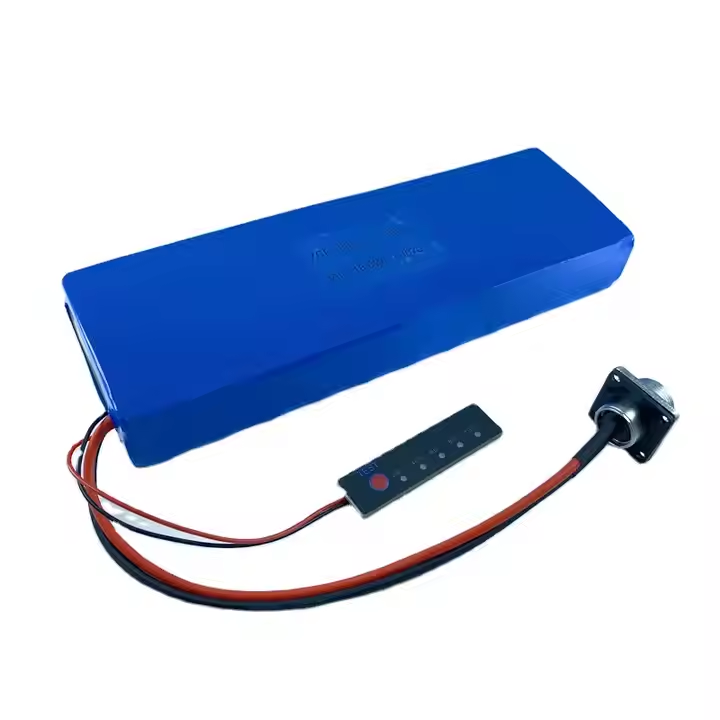
Medical device power: what device makers ask for
A medical device battery has to fit the device, meet its electrical profile and arrive as a consistent, fully specified product. That is the starting point for every medical battery project we quote. Device makers do not buy from a catalogue, and a custom medical battery pack is written from your requirements: the voltage the electronics expect, the capacity the use case needs, the space inside the housing, and the way the pack is charged and discharged in service.
The questions we hear most from medical device teams are practical ones. What chemistry and cell format suit the device? How is the pack protected against overcharge, over-discharge and short circuit? How does it connect — a connector, a cable, a contact set? What documentation travels with the shipment? And can the same specification be repeated on the next order? A medical equipment battery is often part of a device that stays in service for years, so repeatability matters as much as the first build.
Medical devices also put the pack in different environments. A patient monitor runs continuously on a ward, a sickbed pack cycles between mains and battery, and mobile medical equipment and medical robotics move the pack around and expose it to vibration. Those conditions shape the enclosure, the protection circuit and the cell choice, and they are agreed in the specification before production starts. If you are still choosing a voltage class, our overview of 12V lithium packs covers the common configuration logic for this range.
Medical packs: patient monitor and sickbed designs
Two configurations cover much of this class: a 3S4P layout for patient monitors and a 3S1P layout for sickbeds. Both sit in the 12V class, but they serve different duty patterns, which is the usual pattern in medical equipment batteries: the monitor pack carries a device through its working period, while the sickbed pack supports a different duty cycle inside the bed's own power system. Each design's full specification is confirmed per model.
These two designs show how series and parallel count are used in practice. The 3S4P configuration reaches the 12V class with four parallel strings. The 3S1P configuration reaches the same voltage class with a single string. The configuration name tells you the cell count in series and parallel; the specification tells you everything else, including the cells, the protection board and the connection to the device.
Medical device battery manufacturers are often asked whether a pack can be adapted rather than designed from zero. If your device is close to one of these designs, we still evaluate it against your device specification, because enclosure, connector and charging profile usually differ. Mobile medical equipment and medical robotics are served application lines, and we also evaluate replacement and custom packs for devices such as defibrillators per project against the device specification. To start that evaluation, discuss a medical pack with our team and send the device requirements.
Consistency and testing for medical orders
For medical orders, the pack is built to a confirmed specification. That means the specification is agreed and frozen before production, and the build follows it. Cells are matched so that the cells inside a pack work as one unit, and pack-level testing is carried out before delivery. The same inputs — the confirmed specification, matched cells and pack-level testing — are applied to every medical order we run.
Consistency has a second meaning for device makers: the next order should match the last one. A confirmed specification gives both sides a fixed reference for cells, protection, connector and labelling, so a repeat order is built against the same document. When your device design changes, the specification changes with it, and the change is recorded before the next build.
Our quality system supports this way of working. We are ISO 9001 and ISO 14001 certified, a National High-Tech Enterprise, and hold multiple utility model patents. These certifications cover our company; for your device, you receive the confirmed specification and the testing record that goes with the order. You can read more about how we manage this on our quality and certifications page.
Documents for medical device batteries
UN38.3, IEC 62133 and MSDS documents can be confirmed and provided for specific models. Tell us the model you are buying and we will confirm which documents cover it. The documents attach to specific models, so coverage is checked model by model before the order is placed.
For a medical device battery project, tell us early which documents your customs, carrier or device file needs. UN38.3 and MSDS are typically requested for transport and shipping, while IEC 62133 is a cell and pack safety standard that device teams often reference in their own documentation. Knowing the list at the quotation stage lets us confirm coverage before the order is placed.
If your device programme needs a wider document set or a specification written around a new device, our custom battery solutions overview explains how a project moves from requirements to a confirmed pack specification.
Frequently Asked Questions
What documentation can you provide for medical device batteries?
UN38.3, IEC 62133 and MSDS documents can be confirmed and provided for specific models. Tell us the model you are buying and we will confirm which documents cover it. Because the documents attach to specific models, we check your model against them before the order is placed. Share your required document list at the quotation stage so coverage can be confirmed early.
Can you build packs for patient monitors and mobile medical devices?
Yes. Medical packs in this class include 3S4P configurations for patient monitors and 3S1P configurations for sickbeds, and mobile medical equipment and medical robotics are served application lines. Each project is evaluated against the device specification, because enclosure, connector and charging profile differ between devices. Defibrillator replacement and custom packs are also evaluated per project against the device specification.
How do you control consistency for medical orders?
Packs for medical orders are built to a confirmed specification, with matched cells and pack-level testing before delivery. The specification is agreed before production and serves as the fixed reference for cells, protection, connector and labelling, so a repeat order is built against the same document. When the device design changes, the specification is updated and recorded before the next build.
Tell us about your battery project
Send your device requirements — voltage, capacity, current, space and quantity — and our engineering team will evaluate cell selection, configuration and battery management against them.