LiFePO4 vs Lithium-Ion: Which Chemistry Fits Your Product?
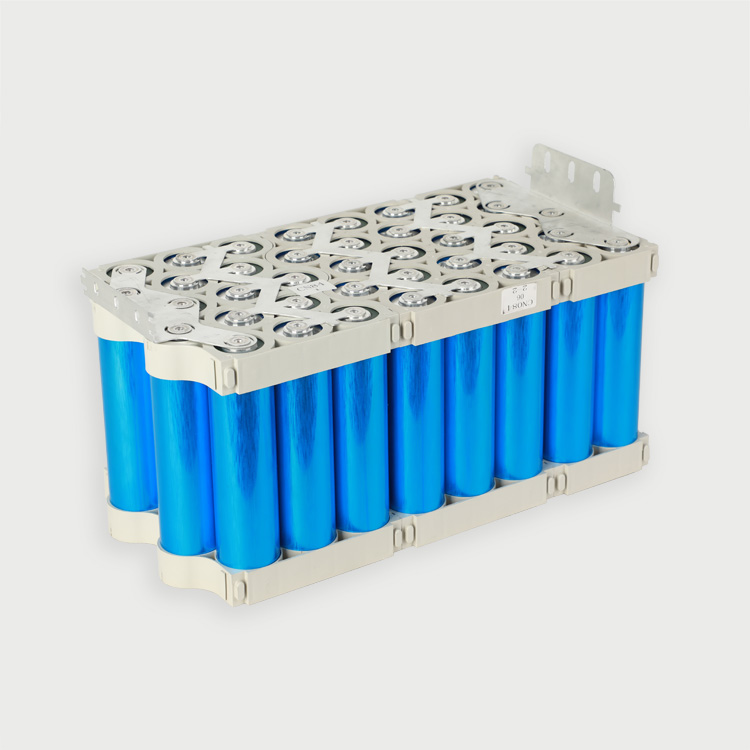
The two chemistries in plain terms
Both LiFePO4 and other lithium-ion chemistries move lithium ions between electrodes during charge and discharge. The difference sits in the cathode material. LiFePO4 uses iron phosphate, while the lithium-ion family in general use here relies on cobalt and nickel oxides. That single material choice drives nearly every trade-off on this page.
LiFePO4 behaves as a stable, predictable chemistry. Its voltage curve stays flat across most of the discharge, so the pack delivers steady power until it nears empty. Cobalt and nickel lithium-ion cells carry more energy in the same space but ask more of the pack design in return. Neither chemistry wins outright; the right pick depends on what your device needs to do.
Energy density and pack size
Energy density is the clearest divider. Cobalt and nickel lithium-ion cells store more energy per unit of weight and volume. For a compact handheld device, a wearable, or any product where every millimetre of enclosure space counts, that advantage translates directly into smaller packs and lighter products. If your industrial design is fixed and the battery bay is tight, this chemistry usually fits where LiFePO4 cannot.
LiFePO4 gives up some of that density. A pack built from iron phosphate cells will be larger and heavier for the same capacity. That matters when your product is handheld or pocket-sized. In equipment where the pack sits in a dedicated compartment and weight is not the limiting factor, the size penalty is easy to absorb and the other advantages of the chemistry come to the front.
Thermal stability and safety behaviour
Iron phosphate holds its structure well when cells are abused or overheated. The cathode releases oxygen far less readily than cobalt and nickel oxides, so a LiFePO4 cell resists thermal runaway more stubbornly. In practice this means a pack that tolerates overcharge, external heat, and physical damage with more margin. For equipment used outdoors, in vehicles, or near heat sources, that margin supports a simpler safety architecture.
Cobalt and nickel lithium-ion cells need more attention in the pack design. They depend on a robust battery management system, careful thermal layout, and conservative charge limits to stay inside their safe window. This is normal engineering work, not a defect, but it adds design effort and cost. Where the product envelope allows it, LiFePO4 reduces the burden on the safety side of the project.
Service life and duty pattern
LiFePO4 is built for repeated, deep cycling. Its capacity fades slowly across many charge and discharge events, which suits products that run daily and discharge most of their stored energy each time. Backup systems, floor-care machines, solar storage, and similar duty patterns draw real value from this behaviour. The chemistry also tolerates sitting at partial charge without the same stress that other chemistries experience.
Cobalt and nickel lithium-ion cells favour a different duty pattern. They perform well when discharge is shallow and the pack is treated as a buffer rather than a daily workhorse. Portable electronics that recharge often and rarely run flat fit this profile. Match the chemistry to how the product is actually used, and neither type is asked to do a job it was not designed for.
Cost drivers
Cell chemistry sets the starting cost, but the finished pack price depends on more. LiFePO4 cells use iron and phosphate, materials that are widely available and stable in price. The trade-off is that more cells are needed to reach a given capacity, so the pack carries more material, more interconnects, and more assembly labour. The cell cost advantage can be partly consumed by the larger build.
Cobalt and nickel lithium-ion cells cost more per unit of energy, and their material prices move more. The payoff is a smaller pack with fewer cells and simpler mechanical assembly for the same capacity. Add the extra thermal and protection engineering these cells require, and the total cost picture becomes a comparison of the whole pack, not just the cell price. The honest answer sits in your volume, your enclosure, and your duty pattern.
For products where the iron phosphate route fits, our LiFePO4 batteries page covers pack construction in more detail. Where compact energy density is the priority, the lithium ion battery packs hub explains the alternative path.
Choosing per application: a summary table in words
The table below reads as a set of decisions rather than a scoreboard. Each row names a product situation and the chemistry that fits it.
| Application profile | Recommended chemistry | Reasoning |
|---|---|---|
| Handheld or wearable device with a tight enclosure | Cobalt/nickel lithium-ion | Higher energy density gives the smallest, lightest pack for the capacity required. |
| Outdoor equipment exposed to heat and sun | LiFePO4 | Strong thermal stability reduces the safety burden on the enclosure design. |
| Daily deep-cycle industrial duty | LiFePO4 | The chemistry is built for repeated deep discharge and slow capacity fade. |
| Backup power that sits at partial charge | LiFePO4 | Tolerates storage at partial state of charge without the stress other chemistries carry. |
| Portable electronics with shallow, frequent recharge | Cobalt/nickel lithium-ion | Suits buffer-style duty and keeps the product slim. |
| Stationary storage with a dedicated battery bay | LiFePO4 | Size penalty is easy to absorb; stability and duty pattern favour the chemistry. |
| Weight-critical mobility product | Cobalt/nickel lithium-ion | Energy per kilogram matters most where the pack moves with the user. |
Both routes lead to a custom pack, and the specification work is similar: cell selection, series and parallel configuration, BMS, and mechanical layout. If the iron phosphate path matches your product, review custom LiFePO4 packs for the build options we confirm per project. If you are still weighing the two chemistries against your device, send the load profile and enclosure constraints through the contact page and we will map them to a chemistry and a pack layout.
A last point on the table: these rows describe typical fits, not rules. A compact device can use LiFePO4 if the enclosure has room and the duty pattern rewards stability. A large stationary system can use cobalt/nickel cells if the design justifies the extra protection work. The chemistry follows the requirement, not the other way around.
Frequently Asked Questions
Is LiFePO4 safer than other lithium-ion chemistries?
LiFePO4 offers more thermal stability because its cathode releases oxygen less readily when abused. That gives the pack more margin against overcharge, external heat, and damage. Cobalt and nickel lithium-ion cells can be engineered to a safe design too, but they rely more heavily on the battery management system and thermal layout. The difference is one of margin, not of one chemistry being unsafe.
Why does LiFePO4 need a larger pack for the same capacity?
Iron phosphate cells store less energy per unit of weight and volume than cobalt and nickel oxides. To reach a given capacity, a LiFePO4 pack needs more cells, which adds size, weight, and assembly material. The trade is deliberate: the pack gives up density in exchange for thermal stability and long cyclic service. Whether that trade suits your product depends on the enclosure and duty pattern.
Can I use either chemistry in a custom pack?
Yes. Both chemistries are built into custom packs with cell selection, series and parallel configuration, a battery management system, and a mechanical layout matched to your enclosure. The project specification confirms which options apply to your model. Share your load profile, duty pattern, and space limits, and the chemistry choice follows from those requirements rather than from a default preference.
Which chemistry lasts longer in daily deep-cycle use?
LiFePO4 is built for repeated deep discharge and holds its capacity well across that pattern. Cobalt and nickel lithium-ion cells favour shallow discharge and frequent partial recharge. Match the chemistry to how the product actually runs: a daily deep-cycle machine suits iron phosphate, while a device that tops up often and rarely runs flat suits the denser chemistry. The duty pattern, not the label, decides service behaviour.
Does chemistry choice change the certification work?
The certification path depends on the finished pack, not on the chemistry alone. UN38.3, IEC 62133 and MSDS documents can be confirmed and provided for specific models — tell us the model you are buying and we will confirm which documents cover it. Chemistry affects the safety testing emphasis, but the document set is confirmed per model rather than assumed from the cell type.
Tell us about your battery project
Send your device requirements — voltage, capacity, current, space and quantity — and our engineering team will evaluate cell selection, configuration and battery management against them.